Bauchi’s Bold Restructure: A Plan for New Emirates and Chiefdoms

By Mada Ibrahim
BBC News, Bauchi
The government of Nigeria’s Bauchi State has received a landmark report recommending its most significant administrative restructuring in modern times, a plan proponents say will “unbundle” governance and bring it closer to the people.
The proposals, if fully implemented, would see the creation of 13 new Emirates, two Chiefdoms, and 111 new Districts, dramatically redrawing the map of traditional authority in the state.
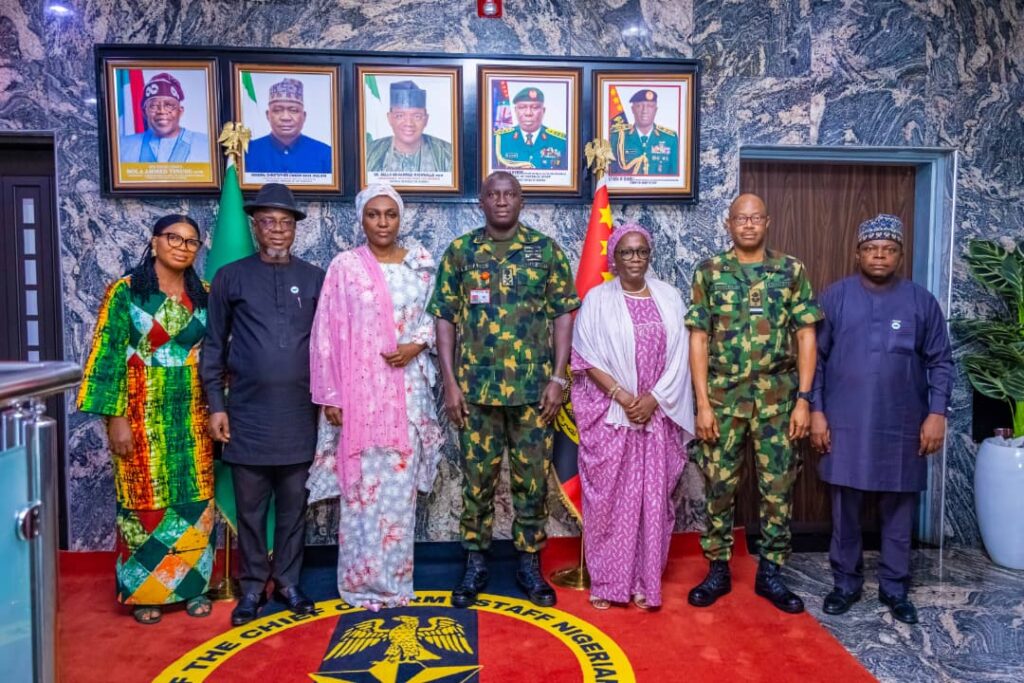
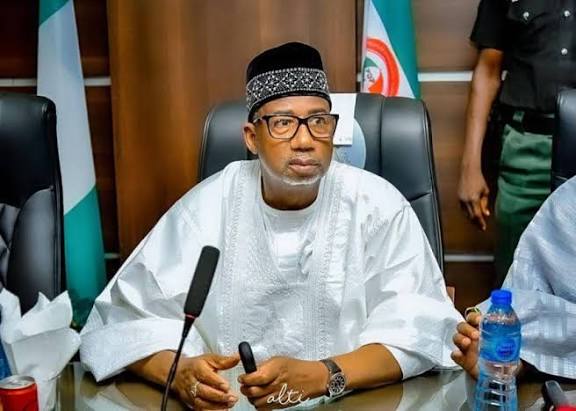
Governor Bala Abdulkadir Mohammed was presented with the final report by a special committee he inaugurated earlier this month. The move is being framed by the state government as a crucial step to improve grassroots administration and foster inclusive development.
“A Magnet for Community Voices”
The Committee on the Creation of Additional Emirates, Chiefdoms, and Districts was tasked with reviewing long-standing requests from communities across the state.
According to its chairman, Alhaji Hamza Koshe Akuyam, the panel received an overwhelming 196 memoranda from groups presenting their historical and cultural cases for recognition.
“The recommendations were guided by principles of fairness, inclusiveness, and justice,” Alhaji Akuyam told the BBC upon presenting the report. He stated that the final tally was a carefully considered compromise aimed at “foster[ing] peaceful coexistence and enhanc[ing] administrative reach.”
Tackling “Ungoverned Spaces”
In accepting the report, Governor Mohammed praised the committee’s work and the transparent process. He positioned the massive restructuring not just as an answer to local demands, but as a strategic policy for state development.
The governor described it as a “crucial step toward eliminating ungoverned spaces and empowering communities with a greater sense of belonging.” The state government believes that by strengthening traditional institutions right down to the village level, it can create a stronger foundation for sustainable development and security.
This approach mirrors decentralisation reforms seen in other parts of the world, where local governance structures are empowered to address community-specific issues.
Acknowledging Potential for Friction
While the announcement is likely to be celebrated in the communities granted new status, the governor acknowledged that such a significant reshuffle of traditional hierarchies could cause tension.
Realigning the domains and influence of existing traditional rulers is often a delicate process. Governor Mohammed appealed for patience, noting that “similar reforms have occurred in other parts of Nigeria.”
He assured that the implementation would be carefully managed to respect “the dignity of our traditional heritage” while also accommodating “the aspirations of emerging communities.”
The submission of the report marks the beginning of a complex implementation phase. The success of this ambitious “unbundling” of Bauchi will now depend on the government’s ability to navigate the inevitable political and cultural challenges that lie ahead.