Can a United Opposition Alter Nigeria’s Political Equation? Assessing the Case for an Atiku-Led Coalition Ahead of 2027

By Umar Usman Duguri
As Nigeria approaches the 2027 general elections, political calculations are becoming increasingly pronounced across the country. The ruling All Progressives Congress (APC) is widely expected to seek another mandate under President Bola Ahmed Tinubu, while opposition parties continue to confront a familiar challenge: whether they can overcome internal divisions and present a credible alternative.
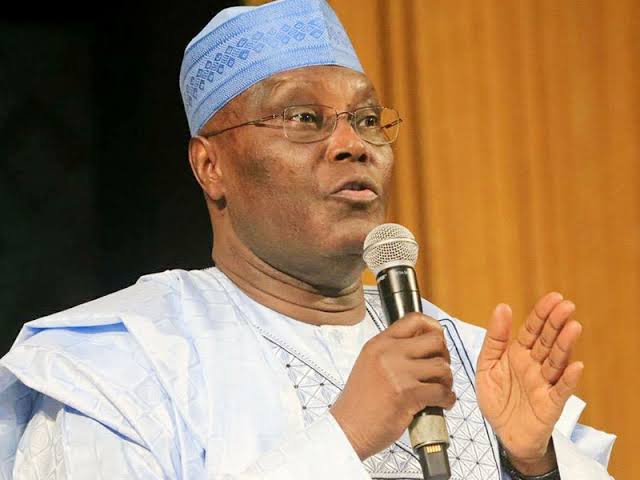
Political observers suggest that the answer may determine whether the next presidential election becomes a closely contested race or yet another exercise shaped by a fragmented opposition. Among the figures dominating the conversation is former Vice President Atiku Abubakar, whose supporters believe he remains one of the few politicians capable of bringing together diverse opposition interests. Others, however, argue that the opposition should move beyond established political figures and embrace new leadership.
Lessons from Nigeria’s Political History
Nigeria’s democratic experience since 1999 shows that coalition politics can significantly influence electoral outcomes. The merger that produced the APC ahead of the 2015 elections brought together several opposition parties under one platform, ultimately leading to the defeat of an incumbent president for the first time in Nigeria’s democratic history.
For many analysts, that experience underscores a persistent political reality: a divided opposition often struggles to overcome the structural advantages of incumbency. Fragmented votes, competing campaign structures, and divergent regional interests can weaken electoral strength.
This historical precedent has renewed calls for opposition leaders to prioritize collective strategy over individual ambition.
Why Some Supporters See Atiku as a Consensus Candidate
Those advocating an Atiku Abubakar-led coalition point to several considerations.
First is experience. Having served as Vice President from 1999 to 2007 and contested multiple presidential elections, Atiku possesses extensive knowledge of national governance, economic policy, and electoral politics.
Second is his political network. Few contemporary politicians command relationships across Nigeria’s six geopolitical zones to the extent that Atiku does. Supporters argue that such nationwide reach could facilitate coalition-building among parties, civil society groups, and regional political interests.
Third is electoral visibility. Despite losing previous presidential contests, Atiku has remained one of Nigeria’s most prominent opposition figures, retaining a loyal support base and strong national recognition.
For advocates of a united opposition, these attributes make him a logical rallying point in what could become one of Nigeria’s most consequential elections.
The Counterargument
Not everyone agrees.
Critics argue that repeatedly presenting familiar political figures may limit the opposition’s ability to appeal to voters seeking generational change. Some believe younger leaders or fresh political voices may better reflect public sentiment, particularly among Nigeria’s youthful electorate.
Others question whether any coalition should be built around a single personality rather than around clear policy commitments. From this perspective, Nigerians deserve detailed proposals on inflation, unemployment, insecurity, electricity, education, healthcare, and constitutional reform before deciding who should lead the country.
These concerns highlight an important democratic principle: political alliances should be driven by ideas and governance priorities, not merely by electoral arithmetic.
Tinubu’s Incumbency Advantage
President Bola Ahmed Tinubu enters the political arena with the considerable advantages that typically accompany incumbency. His administration has introduced far-reaching economic reforms, including the removal of fuel subsidies and changes to the foreign exchange regime. Supporters argue that these measures are necessary for long-term economic stability, while critics point to the resulting rise in living costs and inflation.
The administration also continues to face pressure to address insecurity, unemployment, and broader economic hardship. These issues are likely to feature prominently in any campaign leading up to the next election.
How voters assess the government’s performance by 2027 may significantly shape the political landscape.
Can the Opposition Truly Unite?
Calls for unity are persuasive in theory, but political realities are often more complex.
Opposition parties differ in ideology, regional influence, leadership structures, and strategic priorities. Any successful coalition would require difficult negotiations over candidate selection, power-sharing arrangements, campaign financing, and policy direction.
Personal ambition has historically complicated coalition efforts in Nigeria. Whether opposition leaders can subordinate those ambitions to a broader electoral objective remains uncertain.
Beyond Personalities
Ultimately, many Nigerians appear less concerned with political personalities than with tangible improvements in their daily lives.
The issues dominating public discourse include:
Rising inflation and the cost of living.
Youth unemployment and job creation.
Security challenges.
Electricity supply.
Education and healthcare.
Economic diversification.
Anti-corruption and institutional reforms.
Whichever political platform convincingly addresses these priorities may secure significant public support.
Democracy Requires Genuine Competition
Strong democracies depend on credible competition. Whether through an Atiku-led coalition or another opposition arrangement, competitive elections encourage policy debate, accountability, and greater responsiveness from political actors.
At the same time, voters should critically assess every candidate—whether incumbent or challenger—based on competence, integrity, experience, and policy proposals rather than ethnicity, religion, regional sentiment, or party loyalty alone.
Conclusion
The debate over whether opposition parties should unite behind Atiku Abubakar reflects broader questions about the future of Nigeria’s democracy. For some, his experience and national reach make him the most viable figure to lead a coalition. For others, the country requires new leadership and fresh ideas.
Ultimately, the decision rests with political parties, their members, and the Nigerian electorate. The strength of any coalition will depend not only on who leads it, but also on whether it offers a compelling vision, practical solutions, and a commitment to democratic governance.
As the countdown to 2027 continues, the most important contest may not simply be between political parties, but between competing ideas about how best to address Nigeria’s economic, social, and governance challenges.