POLITICS WITHOUT PRINCIPLES: HOW YESTERDAY’S ENEMIES BECOME TODAY’S ALLIES WHILE ORDINARY NIGERIANS PAY THE PRICE

By Umar U. Duguri
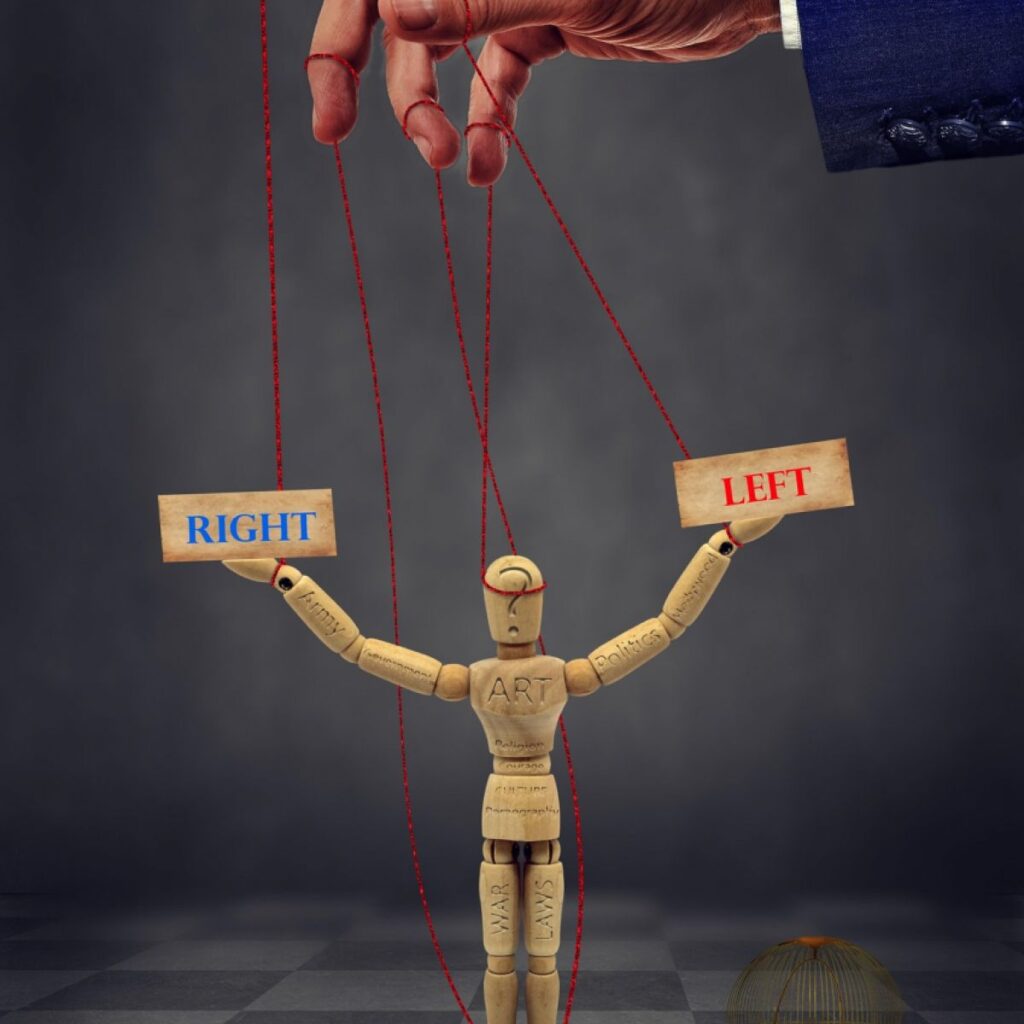
Nigeria’s political establishment has perfected an extraordinary cycle of political convenience: politicians who once described one another as incompetent, corrupt, dangerous or unfit to govern can suddenly become trusted allies when political interests converge.
Yesterday’s enemies become today’s political partners. Former critics become enthusiastic supporters. Political accusations disappear, ideological differences are conveniently abandoned, and those who once promised to rescue the country from one another begin negotiating political arrangements behind closed doors.
The disturbing question is not why politicians change alliances. Political realignment is a legitimate feature of democratic politics. The real question is why so many of these realignments appear to serve the ambitions of political elites without producing corresponding benefits for the citizens whose votes brought them into public office.
In Nigeria, political loyalty often appears more negotiable than public accountability, while the economic and social consequences of political decisions are left for ordinary citizens to endure.
The politics of convenience: When yesterday’s convictions become today’s bargaining chips
Across Nigeria’s political landscape, defections, reconciliations and shifting alliances have become familiar features of political competition.
Politicians move between parties, political camps and ideological positions, sometimes after years of publicly condemning the very individuals or political organisations they later embrace.
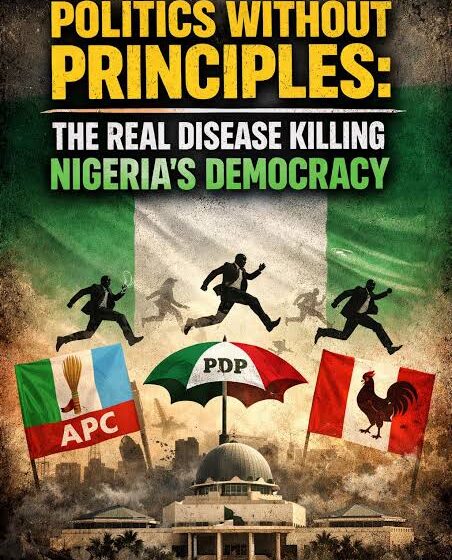
The APC, PDP, Labour Party, NNPP and other political platforms have all featured in the country’s evolving calculations of political loyalty, opposition and realignment.
Some political movements are driven by genuine disagreements over party administration, policy direction or internal democracy. Others may reflect strategic calculations about electoral viability, political survival, access to power and future appointments.
There is nothing inherently wrong with changing political allegiance. A democratic society must allow politicians to reconsider their positions and build new coalitions.
However, political freedom does not eliminate the responsibility to explain political decisions.
When a politician spends years accusing another of mismanagement, incompetence or betrayal of public trust, only to become an enthusiastic political ally without addressing those earlier accusations, citizens have every reason to demand an explanation.
Were the original allegations unfounded? Have the circumstances changed? Have the differences been resolved? Or have political interests simply become more important than the principles previously proclaimed?
These are not unreasonable questions. They are essential questions in a democracy.
Where is the ideology in Nigeria’s political parties?
One of Nigeria’s deepest democratic weaknesses is the limited distinction between political parties in terms of clearly defined and consistently pursued policy alternatives.
Political parties should represent competing ideas about how society should be governed. They should offer identifiable positions on economic management, taxation, education, healthcare, security, employment, agriculture and social protection.
But Nigerian politics is frequently dominated by personalities, political godfathers, electoral calculations, regional interests and negotiations over political positions.
This creates an environment where politicians can change political platforms without necessarily demonstrating a corresponding change in their policy convictions.
When political parties become vehicles for acquiring power rather than institutions for advancing clearly articulated national development programmes, ideological consistency becomes expendable.
The consequences are serious. Citizens struggle to identify what political parties genuinely stand for beyond their leading personalities and immediate electoral ambitions.
A democracy cannot develop strong policy competition when political actors repeatedly abandon their stated positions without public explanation.
The masses are paying for decisions they did not make
While political elites negotiate alliances, pursue endorsements, distribute influence and calculate their next electoral moves, ordinary Nigerians are confronting a much harsher reality.
Millions of households are struggling with the cost of food, transportation, electricity, healthcare and education. Unemployment and underemployment continue to undermine the economic prospects of young people. Farmers face security and production challenges, while small businesses struggle with operating costs and an unpredictable economic environment.
For these citizens, political defections do not automatically translate into affordable food, better hospitals, improved schools or secure communities.
The unemployed graduate does not benefit simply because two former political enemies have reconciled.
The struggling farmer does not harvest more because a prominent politician has joined a new political coalition.
The ordinary market woman does not experience economic relief because political heavyweights have reached an agreement.
The parent struggling to pay school fees is not reassured by another round of political endorsements.
What citizens need is governance that produces measurable improvements in their lives.
This is where Nigeria’s political conversation frequently loses direction. Political activities receive enormous attention, but the performance of public institutions and the delivery of essential services often receive insufficient scrutiny.
The masses become spectators in a contest for political power, even though they bear the consequences of the decisions taken by those who eventually win.
The hypocrisy of political opposition
One of the most troubling features of Nigeria’s political culture is the selective application of political principles.
When politicians are in opposition, they often become vocal defenders of accountability, transparency, constitutionalism and responsible government.
They criticise public expenditure, question government policies and promise to protect citizens from the failures of those in power.
Yet, when political circumstances change and they secure positions within the same political establishment, some of those criticisms become noticeably less forceful.
This raises a fundamental issue: were their previous positions expressions of genuine convictions or merely instruments of political competition?
The same standard must apply to politicians in government and opposition. Criticism should not be determined by who occupies the presidency, governorship or ministerial office.
A credible opposition must hold government accountable, while a responsible ruling party must accept scrutiny rather than interpret every criticism as hostility.
Without consistent standards, opposition politics becomes a temporary strategy for acquiring power rather than a mechanism for protecting the public interest.
Political defections and the destruction of institutional continuity
Frequent political realignments can also undermine the stability of public institutions when appointments, policies and development priorities become excessively dependent on political relationships.
A new political alliance may alter access to decision-makers, influence administrative priorities or change the direction of government programmes.
Projects initiated under one political arrangement may be abandoned or delayed under another, not necessarily because they have lost their public value, but because the political actors associated with them have fallen out of favour.
This is particularly damaging in a country where infrastructure deficits, weak public services and development challenges require long-term planning.
National development cannot be built on the personal relationships of politicians. It requires strong institutions, predictable policies, transparent procurement and continuity beyond individual officeholders.
Nigeria needs a political system in which public projects belong to the people, not to the politicians who initiated them.
2027: Will Nigerians vote for performance or political arrangements?
As the country approaches the 2027 general elections, political realignments are expected to intensify.
Politicians will negotiate tickets, pursue endorsements, explore new platforms and assemble coalitions. Some will reconcile with former opponents, while others will abandon existing political alliances.
But Nigerians must recognise that the size of a political coalition is not necessarily evidence of its commitment to good governance.
A coalition of influential politicians can win an election without necessarily possessing a credible programme for national development.
Likewise, a politician’s popularity among political elites does not automatically translate into competence, integrity or the capacity to deliver.
The electorate must ask harder questions.
What has this politician achieved in previous public offices? What happened to the promises made during the last election? What is the position on unemployment, insecurity, education and healthcare? How have public resources been managed? What concrete commitments are being made to the people?
Most importantly, what will be different if the same political actors return to power under a different arrangement?
Nigerians must not allow political endorsements and defections to replace serious scrutiny of leadership records.
The missing contract between politicians and the people
An election is not a permanent transfer of public ownership to politicians. It is a mandate given by citizens to govern in their interest.
That mandate carries obligations.
Elected representatives must explain their decisions, account for public resources and demonstrate that their political activities serve the communities they represent.
Political parties must also move beyond personality-driven campaigns and present measurable development programmes.
The media, civil society and citizens have an equally important responsibility to investigate political claims, expose inconsistencies and distinguish genuine policy commitments from election-season rhetoric.
Political leaders should be free to change parties, but they should not be free from questions about their records.
CONCLUSION: NIGERIA NEEDS LEADERS, NOT POLITICAL SURVIVALISTS
The tragedy of Nigerian politics is not that political enemies sometimes become friends. It is that political relationships can change dramatically while the conditions confronting ordinary citizens remain painfully familiar.
Politicians who once accused one another of destroying the country can become partners without adequately accounting for those accusations. Political differences that were presented as matters of principle can disappear when the prospect of power becomes attractive.
Meanwhile, the unemployed remain unemployed, insecurity continues to threaten communities, public schools struggle, hospitals face challenges and millions of families remain under economic pressure.
This is the contradiction Nigerians must confront.
Political reconciliation is welcome when it promotes national stability. Political realignment is legitimate when it reflects genuine convictions and serves democratic interests. But neither should become an escape route from accountability.
The country cannot continue to measure political success by the number of influential personalities who have crossed into a particular camp.
It must measure success by jobs created, lives protected, schools strengthened, hospitals improved, public resources accounted for and opportunities created for future generations.
Nigerians should stop asking only who has defected, who has reconciled and who is supporting whom. They should demand to know what these political arrangements mean for their future.
A political system in which politicians repeatedly change sides while citizens repeatedly suffer the same problems is not a demonstration of political sophistication. It is a failure of accountability.
The ultimate responsibility of politics is not to protect the careers of politicians. It is to improve the lives of the people.
Until that principle becomes the foundation of political competition in Nigeria, the political class will continue negotiating its future while the masses struggle to survive the present.