
SALARIES ARE NOT FAVOURS: ₦626.81BN PENSION ARREARS EXPOSE GOVERNMENT ACCOUNTABILITY GAP (1)

By Umar U. Duguri
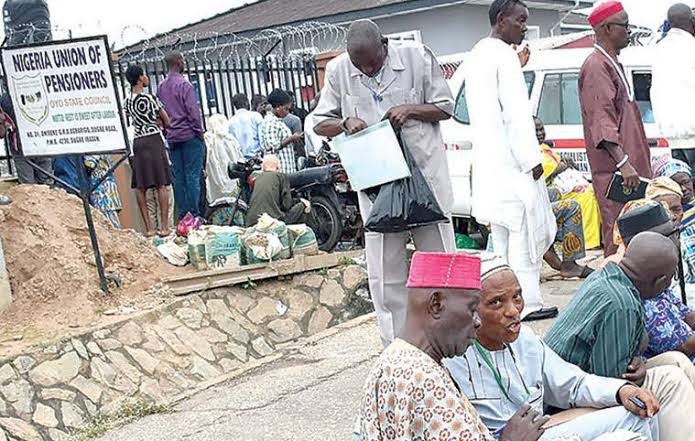
Nigerian states reported ₦626.81 billion in pension and gratuity arrears for the 2024 fiscal year, according to BudgIT’s State of States 2025 report. The figures raise serious questions about fiscal planning and the treatment of retired public servants whose entitlements remain unpaid long after their years of service.
Across the country, governments routinely publicise salary, pension and gratuity payments as administrative achievements. Yet these payments are not personal favours from governors. They are obligations arising from employment, applicable laws and public-service arrangements.
While genuine efforts to clear inherited arrears deserve recognition, the more important questions are why liabilities accumulated, how much remains outstanding and whether governments can prevent the same problem from recurring.
THE SCALE OF THE LIABILITY
BudgIT’s report put pension and gratuity arrears across 27 states at approximately ₦626.81 billion for 2024. It also identified ₦434.87 billion in contractor arrears, bringing the combined liabilities in these two categories to more than ₦1 trillion.
These are historical fiscal-year figures, not a verified statement of what remains unpaid in 2026. Current balances require updated figures from the respective state governments.
Meanwhile, combined revenue across Nigeria’s 35 states rose from approximately ₦8.66 trillion in 2023 to ₦17.17 trillion in 2024. Although higher revenue does not automatically mean every state could immediately settle all outstanding obligations, it reinforces the need for credible budgeting and transparent reporting.
The central issue is whether governments are planning adequately for their liabilities and providing the public with a clear picture of their financial commitments.
GOMBE: A BILLION-NAIRA INTERVENTION
Gombe State announced a ₦10.32 billion gratuity payment initiative for 6,665 retired state and local government workers. The government also reported cumulative gratuity payments of approximately ₦44.134 billion since 2019.
The intervention could provide substantial relief to beneficiaries awaiting their entitlements. However, the value of an announced payment is not, by itself, proof that every listed beneficiary has received the money.
A proper assessment requires verified disbursement records, the number of beneficiaries paid, the categories of retirees covered and the balance of any outstanding liabilities. State and local government obligations should also be distinguished, as should gratuities and recurring pension payments.
The ultimate measure of progress is the amount actually received by eligible retirees and whether outstanding obligations are being cleared sustainably.
KADUNA: THE HUMAN COST OF DELAYS
Pension disputes in Kaduna State have drawn attention to the consequences of delayed retirement benefits. Media reports have carried allegations by pensioners’ representatives that some retired senior public officers died without receiving their entitlements. These remain attributed allegations unless independently substantiated by relevant records.
The claims nevertheless warrant serious scrutiny. They raise questions about how pension complaints are handled, how disputed claims are resolved and whether beneficiaries can obtain timely decisions.
The Kaduna State Government has also reported substantial payments towards inherited pension and gratuity liabilities since the current administration took office in 2023. Those payments are relevant to assessing progress, but cumulative disbursements alone do not establish the current outstanding balance.
A reconciled account of verified claims, payments made, new liabilities and unresolved cases would allow pensioners and the public to assess the government’s progress more accurately.
RETIREMENT BENEFITS ARE LEGAL OBLIGATIONS
Section 210 of the Constitution of the Federal Republic of Nigeria 1999, as amended, addresses pension rights in the state public service, subject to applicable law.
Eligibility, payment arrangements and the treatment of outstanding claims may vary according to the relevant pension scheme and legal framework. However, qualifying retirement benefits are not discretionary gifts that governors may present as acts of personal generosity.
Governments deserve credit when they clear inherited arrears, improve administration or introduce sustainable reforms. Such progress should be assessed against verifiable outcomes, not simply the publicity surrounding payment announcements.
THE CONSEQUENCES FOR RETIREES
For many retired workers, pensions and gratuities are essential to paying for food, housing, healthcare and family responsibilities. Delays can leave beneficiaries financially vulnerable after decades of service, sometimes forcing them to depend on relatives or exhaust their savings.
Prolonged arrears can also weaken confidence in public institutions and create uncertainty among serving workers about their own retirement security.
These are not merely accounting concerns. They affect the dignity and financial stability of people who have completed their service and are entitled to the benefits provided under the applicable rules.
WHAT GOVERNMENTS SHOULD DO
State governments should publish updated schedules of pension and gratuity liabilities, showing the amounts owed, the categories of beneficiaries affected, payments completed and balances outstanding.
They should also disclose budgetary provisions and actual releases, establish realistic arrears-clearance timetables, and provide accessible channels for retirees to challenge omissions, underpayments and disputed calculations.
State legislatures, auditors, pensioners’ associations and the media should scrutinise these records and seek explanations where public announcements cannot be reconciled with verified figures. Stronger funding and administrative systems are equally necessary to prevent fresh arrears from building up while older debts are being cleared.
CONCLUSION: RESULTS MATTER MORE THAN RHETORIC
The reported ₦626.81 billion in pension and gratuity arrears across 27 states in 2024 highlights the need for better fiscal planning and more reliable retirement-benefit administration.
Gombe’s announced intervention and Kaduna’s reported payments should be judged fairly on their verified results, including the number of beneficiaries paid and the liabilities that remain. Where governments make genuine progress, that progress deserves acknowledgement. Where obligations remain unsettled, retirees deserve clear information and a credible plan.
Salaries are not favours. Pensions are not political gifts. Gratuities are not charity. They are obligations that must be administered lawfully and paid in accordance with the applicable rules.





